


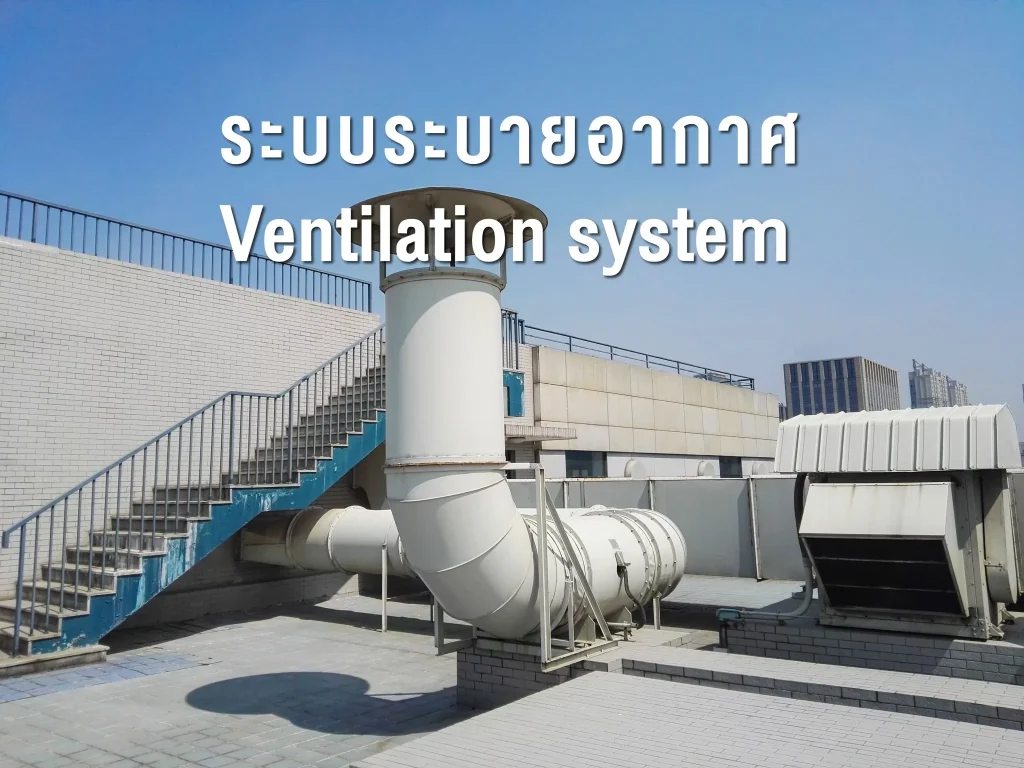
Ventilation system
Ventilation refers to the circulation and exchange of air within a building. This is achieved by designing the structure to include openings for air intake and exhaust, or by supplying fresh air directly into the building—either through a ductwork system or via wall-mounted fans—while simultaneously exhausting air to the outside through either natural or mechanical means.
Ventilation systems must provide an appropriate volume of airflow, ensuring sufficient air exchange and circulation. In some cases, it may be necessary to remove dust or pollutants from the air before it is discharged into the atmosphere. Given the existence of current environmental regulations, the design and installation process must also take environmental considerations into account.
Why is a Ventilation system?
- To maintain the levels of airborne contaminants—such as pathogens, dust, chemical vapors, gases, and smoke—within workspaces, buildings, and factories at safe limits. If these contaminants enter the human body, they can accumulate in various organs and lead to illness among personnel.
- Controlling temperature and humidity to maintain a comfortable level is essential. Inappropriate heat and humidity levels can lead to illness, irritability, and physical discomfort among staff, which negatively impacts their work efficiency and may even contribute to accidents or employee turnover. Furthermore, such conditions can cause damage to workpieces or certain types of raw materials.
Ventilation systems typically rely on mechanical methods, as these allow for precise control over airflow volume and exchange rates. Natural ventilation, by contrast, falls under the purview of engineers, who must design the approach and establish building standards prior to construction. Ventilation systems are generally integrated with air conditioning systems; in such setups, it is necessary to introduce fresh air into the building—typically at a rate of 2–3 air changes per hour, or approximately 5% of the total volume of air circulating within the system.
Achieving a balanced ventilation system (BVS) requires the effective design of both air exchange (air change) and air movement; therefore, the following equipment is necessary:
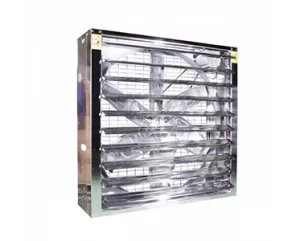
Agriculture Fan
(พัดลมฟาร์ม)
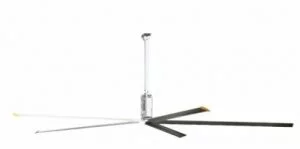
Big Fan HVLS
(พัดลมยักษ์)
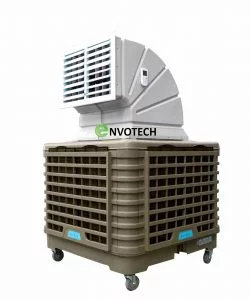
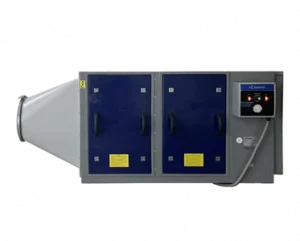
Air purifier
(เครื่องฟอกอากาศอุตสาหกรรม)
Principles for Designing an Efficient Ventilation System
- Provide an adequate and appropriate supply of fresh air.
- The air change rate is determined and designed in accordance with the American standards for air conditioning and ventilation, known as “ASHRAE.”
- Consider that the pressure condition within the room may be positive or negative, depending on the requirements and the nature of the application.
- Consider standards for the filtration of airborne particulate matter and suspended substances, based on specific production requirements or the standards requested by the client.
- Designed with an appropriate capacity, with a focus on energy conservation.
For further information, please feel free to contact:
Hotline : +66(0) 85 252 6464, +66(0) 89 913 7667
Line : @envotech
Email : Antipollution@envotech.co.th